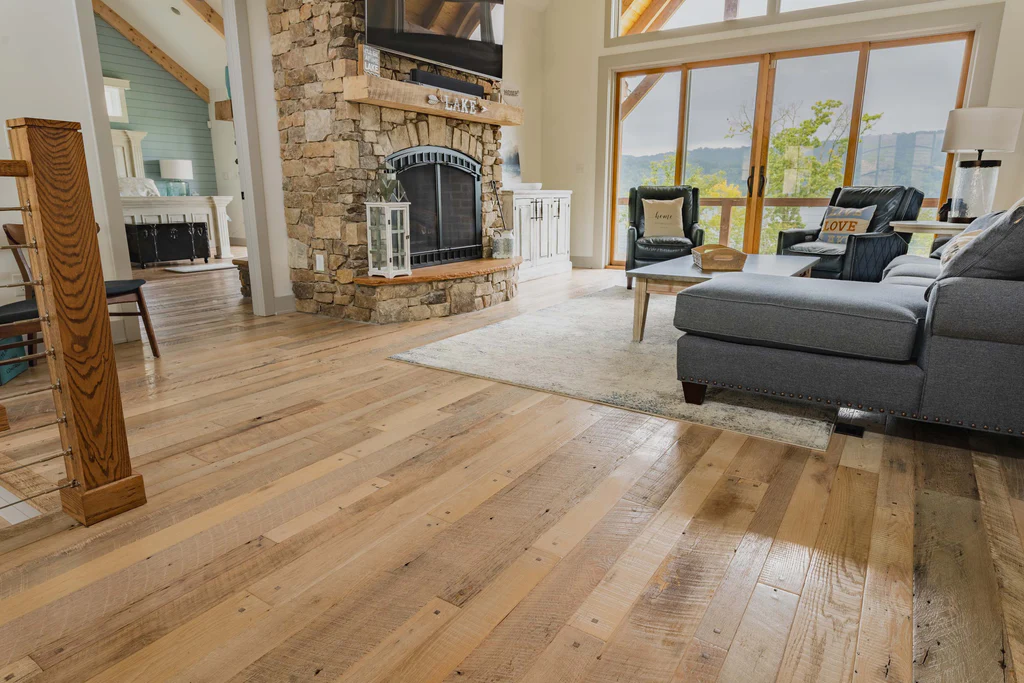
Hardwood flooring has undergone significant transformations since its inception, evolving from rudimentary wooden planks to sophisticated, engineered products that blend tradition with innovation. As a premier provider at HardWood Floors, we recognize the material’s historical significance and its adaptation to contemporary demands. This article examines the progression of hardwood flooring, highlighting key developments and prospective trends, to offer a comprehensive perspective for architects, designers, and property owners.
1. Historical Origins and Development
The use of hardwood for flooring dates back to ancient civilizations, where it served both functional and aesthetic purposes. In medieval Europe, oak floors adorned castles and manor houses, symbolizing wealth and durability. By the 17th century, colonial America embraced hardwood, utilizing native species like pine and maple in early settlements.
Industrial advancements in the 19th century introduced mechanized milling, enabling precise tongue-and-groove designs for seamless installation. The 20th century saw the rise of pre-finished floors, reducing on-site labor and enhancing consistency. At HardWood Floors, we draw from this rich heritage, sourcing materials that honor traditional craftsmanship while incorporating modern efficiencies.
2. Material Science and Engineering Advances
Contemporary hardwood flooring benefits from scientific innovations that improve performance and sustainability. Engineered hardwood, comprising a veneer layer atop plywood cores, offers enhanced stability against humidity fluctuations, making it suitable for diverse climates.
Advancements in adhesives and sealants, such as water-based polyurethanes, provide superior protection against wear and environmental factors. Genetic selection in forestry has yielded denser woods with uniform grains, reducing defects. HardWood Floors integrates these technologies, ensuring products meet rigorous standards for strength and longevity without compromising natural characteristics.
3. Sustainability Practices in Production
Environmental stewardship has become integral to hardwood flooring manufacturing. Responsible sourcing from certified forests prevents deforestation and promotes biodiversity. Techniques like selective harvesting allow ecosystems to regenerate, maintaining carbon sequestration benefits.
Recycling initiatives repurpose wood waste into byproducts, minimizing landfill contributions. HardWood Floors adheres to global certifications, such as those from the Forest Stewardship Council, to guarantee ethical procurement. These practices not only preserve resources but also appeal to eco-conscious consumers seeking low-impact building materials.
4. Architectural Integration and Design Influence
Hardwood floors play a pivotal role in architectural design, influencing spatial dynamics and aesthetic cohesion. In minimalist interiors, light-toned woods like ash create expansive illusions, while darker varieties such as walnut add warmth to traditional settings.
Integration with underfloor systems, including radiant heating, demonstrates versatility in modern constructions. Designers at HardWood Floors collaborate on custom layouts, from herringbone patterns to borders, enhancing structural narratives. This adaptability ensures hardwood remains a cornerstone in evolving architectural paradigms.
5. Market Trends and Economic Impact
The global hardwood flooring market reflects shifting consumer preferences toward durable, natural materials. Demand surges in residential renovations, driven by real estate values appreciating with premium installations. Economic analyses indicate hardwood contributes to higher property appraisals, offering returns on investment.
Emerging markets in Asia and Latin America expand production, introducing exotic species to international audiences. HardWood Floors monitors these trends, adapting inventories to balance supply chains and economic fluctuations, thereby supporting industry growth and innovation.
In summary, hardwood flooring’s journey from historical staple to future-oriented solution underscores its enduring relevance. HardWood Floors remains dedicated to advancing this legacy, inviting professionals to engage with our expertise for informed project decisions.